We are part of the Service of Condensed Matter Physics (SPEC) in the IRAMIS institute of the French Atomic Energy and Alternative Energies Authority (CEA). Our research focuses on the study of the electronic and chemical structure of functional oxide surfaces, interfaces and films. To do so we employ a wide array of photoemission-based surface analysis techniques such as XPS, HAXPES, ARPES and PEEM as well as electron probes such as LEEM.
Our experimental work is done in both laboratory and synchrotron environments. We attach a lot of importance in building lasting collaborations with groups who are expert in epitaxial thin film growth, complementary experimental analysis techniques, device applications, micro and nanoelectronics technology, modelling and simulations.
News
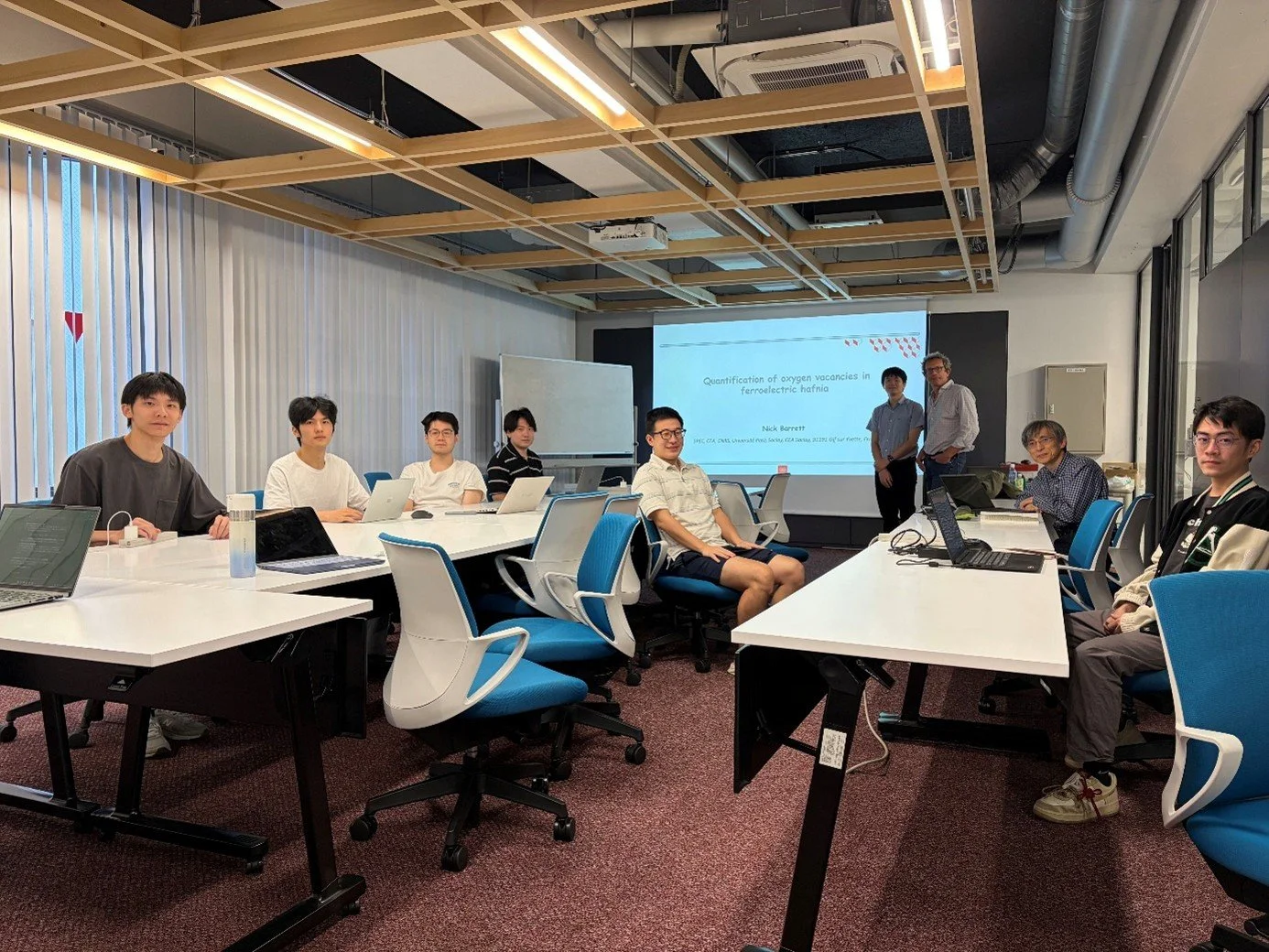
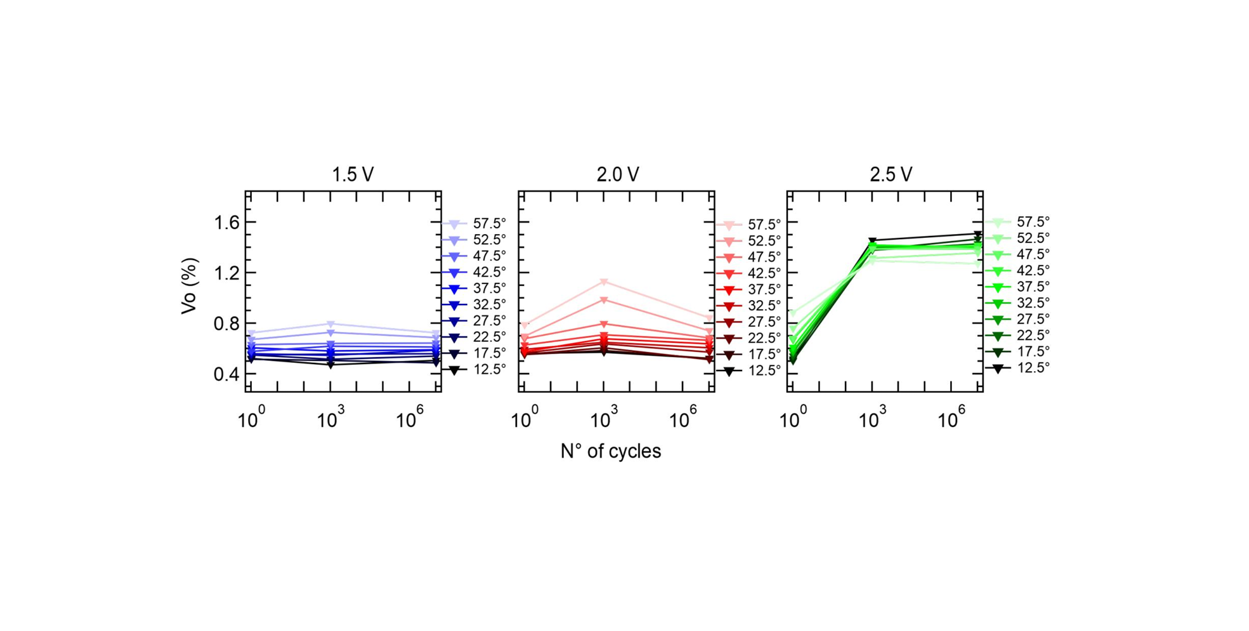
Determination of the oxygen vacancy (VO) distribution within ultra-thin film ferroelectric hafnia (HfO2)-based devices is crucial to engineering optimal properties for non-volatile memory and logic devices. So far, x-ray photoelectron spectroscopy (XPS) combined with Ar+ ion sputtering has been the predominantly used approach for quantifying the VO concentration. Here, we show that using Ar+ ion sputtering to depth-profile the hafnia-based film affects film chemistry and can introduce errors in VO estimation by up to an order of magnitude.
As a result, the method should be approached with more caution. This paper demonstrates that non-destructive, hard x-ray photoemission (HAXPES) using synchrotron radiation ought to be favored. In addition, we show that reliable, quantitative evaluation of the physical chemistry is compromised by surprising and commonplace mistakes in parameters used for Hf 4f core-level spectral analysis. Third, a widespread assignation of one of the O 1s core-level peak components to the presence of VO is erroneous and leads to further errors in the measurement of VO concentration. The conclusions are supported by careful comparison between XPS and HAXPES experimental results and first principles calculations. We provide clear indications for reliable analysis and interpretation of the photoemission data, which should allow progress in materials engineering of ferroelectric devices.
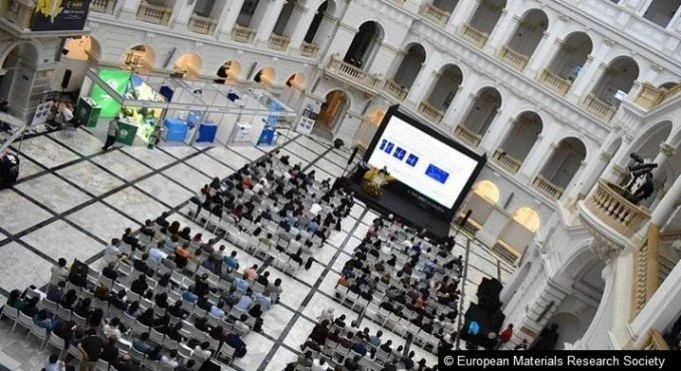
More than 130 scientists took part in the 2026 edition of the 37th annual workshop on Fundamental Physics of Ferroelectric (https://www.materialsbydesign.org/ferro2026), in Tours, France from 2nd-5th February. 58 oral and 56 poster presentations covered a wide range on the physics of ferroelectricity and related phenomenon, with both experimental and theoretical approaches.
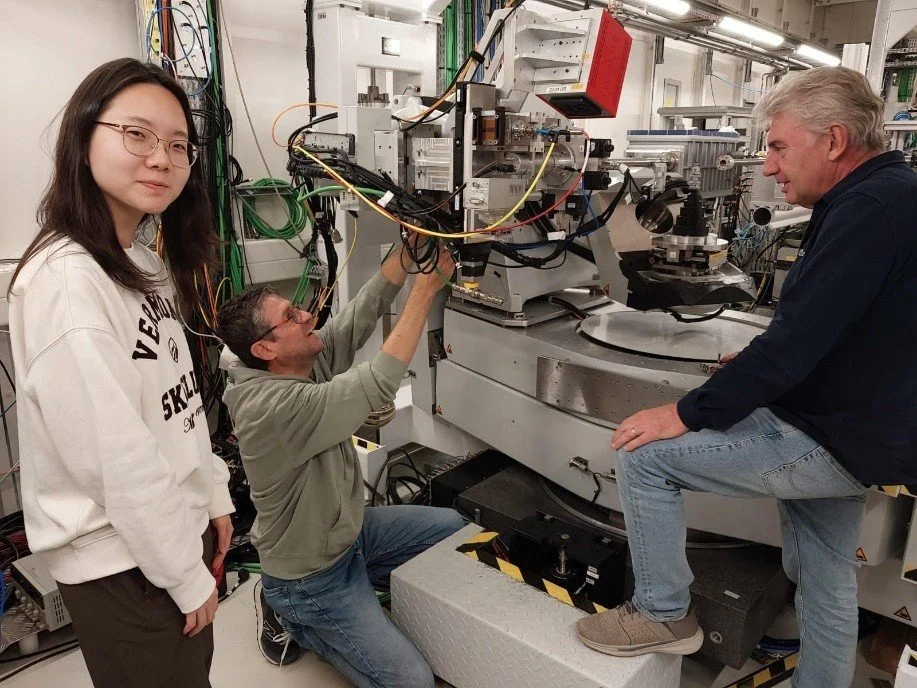
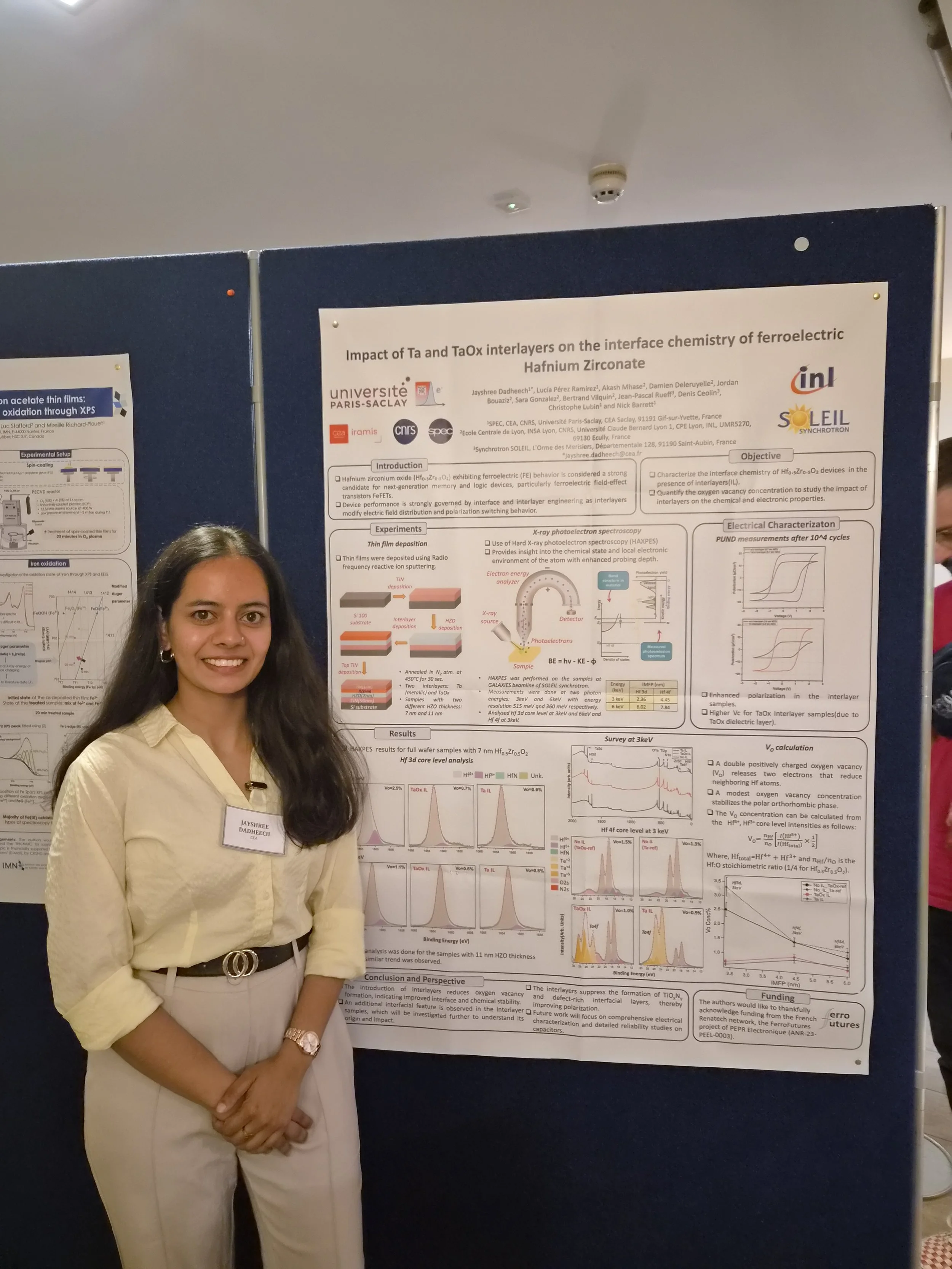
Jayshree Dadheech, Lucía Pérez Ramírez and Akash Mhase (INL Lyon) recently conducted hard xray photoelectron spectroscopy (HAXPES) experiments on the GALAXIES beamline at the SOLEIL synchrotron (Saint Aubin, France).
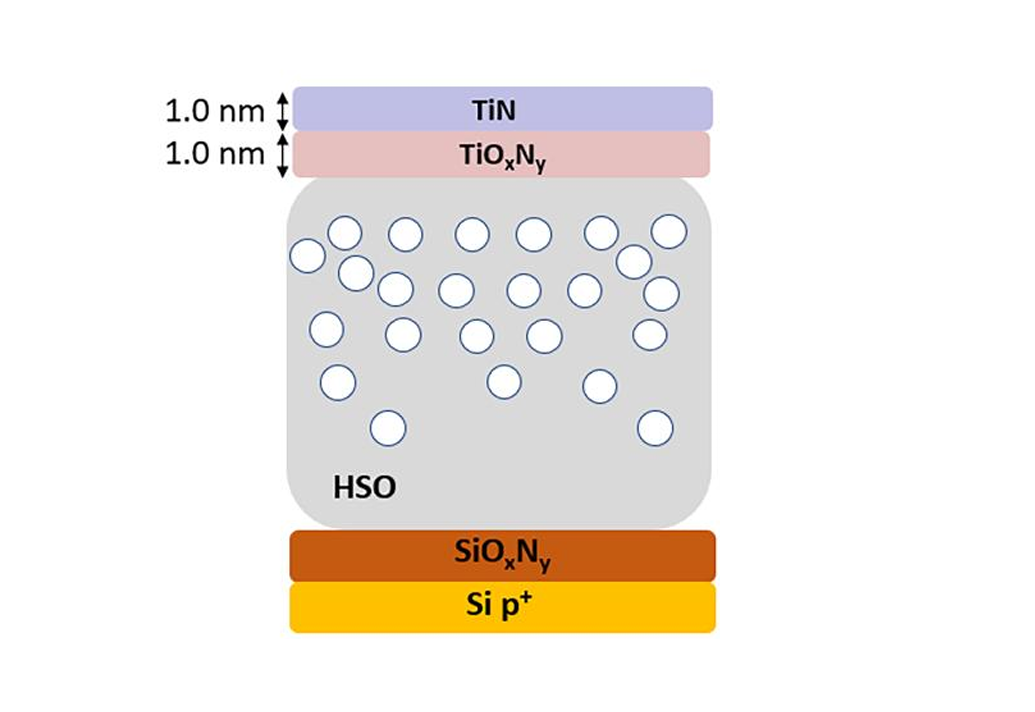
This beamtime was utilized to investigate the effect of Ta and TaOx interlayers on the interfacial chemistry of a reference stack TiN/Hf0.5Zr0.5O2/TiN and analyze their impact on the oxygen vacancy concentrations. Two batches with different Hf0.5Zr0.5O2 (HZO) thickness (6.7nm and 11.4nm) were investigated. These interlayer samples were fabricated using radio frequency sputtering by Akash Mhase, Sara Gonzalez at Institut des nanotechnologies de Lyon.
We recently completed a beamtime campaign at the UE49-PGM SPEEM beamline of BESSY II synchrotron in Berlin. The beamline is equipped with a photo-electron emission microscope (PEEM) devoted to element-selective and magnetic-sensitive space resolved investigations. In this beamtime, we exploited the facility’s capabilities of full polarization control of the incoming beam –delivering light of linear vertical or linear horizontal polarization– to perform X-ray Linear Dichroism (XLD) measurements on ferroelectric hafnium zirconium oxide devices. The x-ray absorption (XAS)-PEEM mode of the setup images the secondary electron emission at fixed kinetic energy, while the photon energy hν is scanned. The resulting spectra carry information on the local structure of the atoms and their shape can be related to the crystalline phase composition of HZO. XLD takes then advantage of the anisotropic absorption of linearly polarized X-ray radiation and provides an insight on the extent of polar distortion present in the ferroelectric layer in each direction (in-plane or out-of-plane).
The objective of this beamtime was to investigate the evolution of this polar distortion to corroborate the presence of a ferroelastic switch in HZO-based ferroelectric capacitors with different film thicknesses upon wake up. These experiments contribute to a broader effort to understand and engineer ferroelectric materials for next-generation memory devices.
We are thrilled to annouced that our work on electron trapping/detrapping in HZO has just been published in APL as featured/editor’s choice. This article dealt with expriments performed by W. Hamouda during his PhD work in the LENSIS. This project received funding from the European Union's Horizon 2020 research and innovation program under Grant Agreement No. 780302 3 FERRO.
Read more : https://doi.org/10.1063/5.0288835
We are happy to welcome Jayshree Dadheech, our new PhD student in LENSIS.
I am Jayshree Dadheech from India. I have completed my Masters in Physics from the National Institute of Technology, Rourkela, India. I have a strong passion for exploring new aspects of nature which has led me to CEA and France. I am beginning my Ph.D. thesis at LENSIS, SPEC, CEA on “Advanced characterization of ferroelectric domains in hafnia-based thin films.” The aim of this project is to explore various properties of hafnium oxide-based thin films in real time for potential applications in ferroelectric random-access memories (FeRAMs). It will effectively utilize techniques like PFM, LEEM, PEEM and XPS to characterize and study the ferroelectric response in real time during the ferroelectric switching. I am looking forward to learn, connect and collaborate with colleagues here at CEA.
PhD funded by FerroFutures (https://www.pepr-electronique.fr/fer/).
We are thrilled to announce that our work has been recently published in Journal of Applied Physics. The article is entitled “Correct quantification of oxygen vacancies in ferroelectric hafnia”.
This work is a fruitful collaboration between the LENSIS, STMicroelectronics, the NaMLab, the Munich University of Applied Sciences, the Air Force Research Laboratory Materials and Manufacturing Directorate and the National Institute of Standards and Technology. This project was funded by the ANR project “D3PO” as well as the AFOSR project “GO-FERRO”
Read more here: https://doi.org/10.1063/5.0288354
Major projects
3εFerro
Energy Efficient Embedded Non-volatile Memory & Logic based on Ferroelectric Hf(Zr)O2
H2020 grant agreement 780302
HREELM
High resolution electron energy loss microscopy : production of a monochromatic electron gun at low energy.
Collaboration CEA-CNRS-University Paris Saclay